Structured group therapy sessions provide a systematic approach to addiction recovery through facilitated peer interactions and evidence-based interventions. These organized treatment formats combine therapeutic principles with group dynamics to create supportive environments where individuals can address substance use disorders together.
Unlike informal support groups, structured sessions follow specific protocols, timelines, and therapeutic objectives. Trained facilitators guide participants through predetermined activities, discussions, and skill-building exercises designed to promote lasting recovery and relapse prevention.
Research consistently demonstrates that structured group formats increase engagement rates and improve treatment outcomes. The combination of professional guidance and peer support creates powerful therapeutic environments that address both individual and collective healing needs.
Key Takeaways
- Structured group therapy sessions follow evidence-based protocols with trained facilitators guiding participants through specific therapeutic activities and discussions.
- Studies show group therapy participants have 65% higher completion rates compared to individual therapy alone, according to SAMHSA research.
- Sessions typically last 60-90 minutes and occur 1-3 times weekly, incorporating cognitive-behavioral techniques, relapse prevention strategies, and peer support elements.
- Common formats include process groups, psychoeducational sessions, skills training groups, and specialized populations groups targeting specific demographics or addiction types.
- Benefits include cost-effectiveness, reduced isolation, enhanced motivation through peer accountability, and development of interpersonal skills essential for long-term recovery.
Core Components of Structured Group Therapy
Effective structured group therapy sessions incorporate several essential elements that distinguish them from unstructured peer interactions. Professional facilitators maintain therapeutic boundaries while creating safe spaces for vulnerable sharing and skill development.
Each session follows a predetermined format with clear objectives and measurable outcomes. Opening activities establish group cohesion, while core segments focus on specific therapeutic interventions such as cognitive restructuring or coping skills training.
Session Structure and Timeline
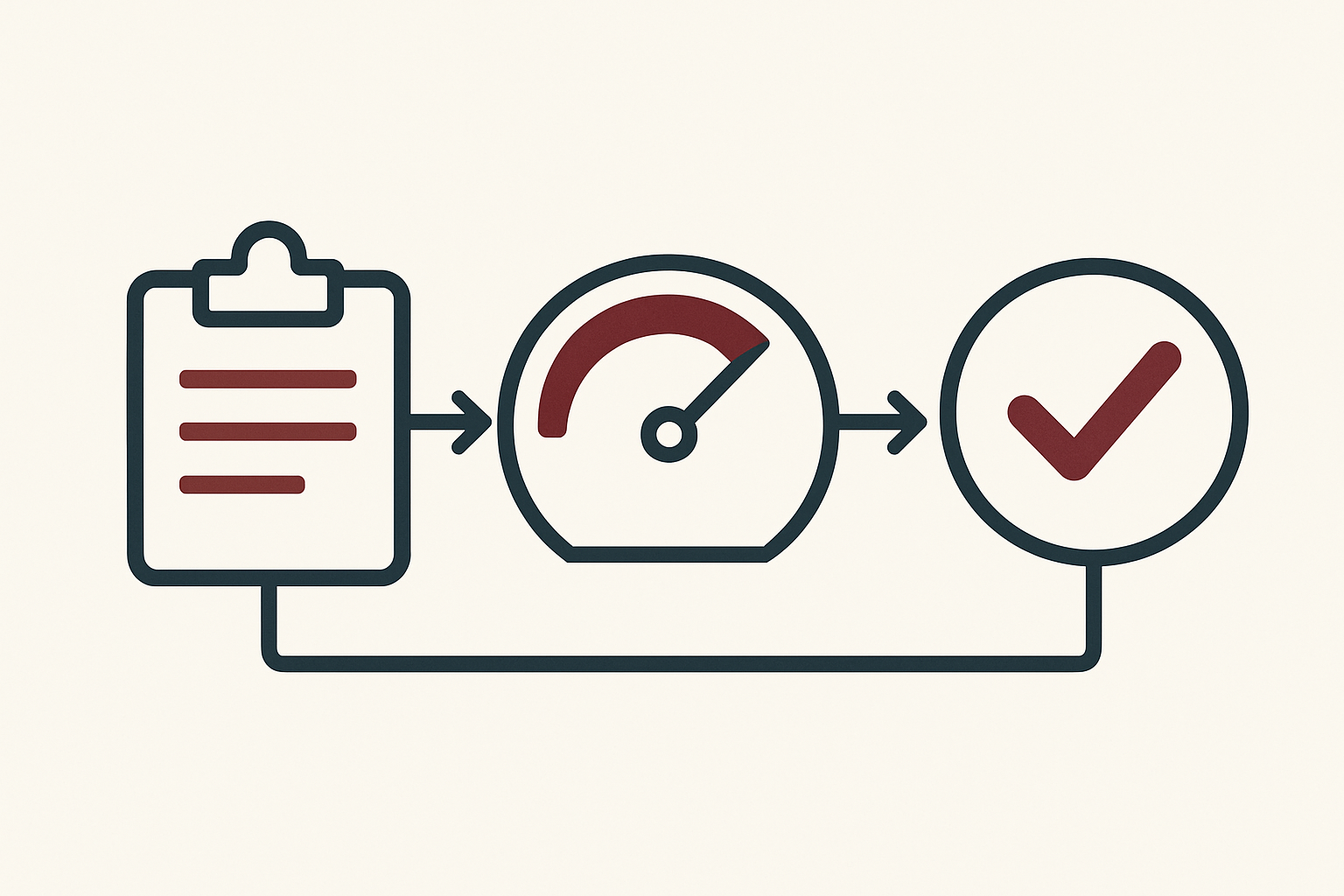
Most structured sessions begin with check-ins where participants share current challenges or progress updates. This opening phase typically lasts 10-15 minutes and helps facilitators assess individual needs and group dynamics.
The main therapeutic portion occupies 40-60 minutes and centers on predetermined topics or interventions. Activities might include role-playing exercises, cognitive-behavioral worksheets, or guided discussions about triggers and coping strategies.
Closing segments provide opportunities for reflection and commitment-setting. Participants often summarize key insights or establish goals for the upcoming week, reinforcing learning and promoting accountability between sessions.
Types of Structured Group Therapy Formats
Treatment programs utilize various structured formats depending on participant needs, recovery stages, and therapeutic objectives. Each format serves distinct purposes while maintaining core therapeutic principles and evidence-based approaches.
Process-Oriented Groups
Process groups focus on interpersonal dynamics and emotional exploration within the therapeutic relationship. Facilitators guide participants through discussions about relationships, communication patterns, and underlying psychological factors contributing to substance use.
These sessions emphasize here-and-now experiences, helping individuals recognize behavioral patterns that impact recovery. Participants practice healthy communication skills while receiving feedback from peers and professional facilitators.
Psychoeducational Sessions
Educational formats provide structured learning about addiction, recovery processes, and mental health topics. Sessions follow curriculum-based approaches with specific learning objectives and measurable knowledge outcomes.
Topics commonly include neurobiology of addiction, relapse prevention strategies, stress management techniques, and healthy lifestyle planning. Facilitators often incorporate interactive elements like quizzes, group exercises, or multimedia presentations to enhance engagement.
Skills Training Groups
Skills-focused sessions teach practical techniques for managing cravings, handling stress, and navigating social situations without substances. These highly structured formats emphasize behavioral practice and real-world application.
Participants learn and practice specific coping strategies through role-playing, guided exercises, and homework assignments. Common skills include mindfulness techniques, assertiveness training, problem-solving methods, and emotion regulation strategies.
Therapeutic Benefits and Outcomes
Structured group therapy offers unique advantages that complement individual treatment approaches. The combination of professional guidance and peer support creates therapeutic environments that address multiple recovery dimensions simultaneously.
Enhanced Motivation and Accountability
Group settings naturally promote accountability through peer observation and shared commitment to recovery goals. Participants often report increased motivation when witnessing others' progress and receiving encouragement during challenging periods.
The structured format ensures consistent therapeutic input while peer interactions provide ongoing support between formal sessions. This combination helps maintain engagement during difficult recovery phases when individual motivation might wane.
Cost-Effectiveness and Accessibility
Group formats allow treatment programs to serve more individuals with limited resources while maintaining therapeutic quality. The shared cost structure makes professional treatment more accessible to diverse populations.
Many insurance providers cover group therapy sessions, recognizing their effectiveness and economic benefits. This coverage expands treatment access for individuals who might not afford intensive individual therapy approaches.
Implementation Considerations
Successful structured group therapy requires careful planning regarding group composition, facilitator training, and outcome measurement. Programs must balance therapeutic objectives with practical considerations like scheduling, space requirements, and participant compatibility.
Group Composition and Size
Optimal group sizes typically range from 6-12 participants, allowing for meaningful interaction while maintaining manageable dynamics. Facilitators consider factors like recovery stage, substance use patterns, and co-occurring conditions when forming groups.
Homogeneous groups focusing on specific populations or addiction types often demonstrate higher engagement and retention rates. However, heterogeneous groups can provide broader perspectives and diverse coping strategies.
Frequently Asked Questions
How long do structured group therapy sessions typically last?
Most sessions run 60-90 minutes, occurring 1-3 times weekly depending on treatment intensity and program design. Duration allows sufficient time for check-ins, therapeutic activities, and closing reflections while maintaining participant attention and engagement.
What training do group therapy facilitators require?
Facilitators typically hold master's degrees in counseling, psychology, or social work with specialized training in group dynamics and addiction treatment. Many states require specific licensure and continuing education in evidence-based group therapy approaches.
Can someone with social anxiety participate effectively in group therapy?
Yes, structured formats often help individuals with social anxiety through gradual exposure and supportive environments. Facilitators use techniques to encourage participation while respecting comfort levels and building confidence over time.
How do structured groups differ from 12-step meetings?
Structured therapy sessions follow evidence-based therapeutic protocols led by trained professionals, while 12-step meetings use peer-led spiritual approaches. Both offer valuable support but serve different roles in comprehensive recovery planning.
Bottom Line
Structured group therapy sessions provide evidence-based, systematic approaches to addiction recovery that combine professional guidance with peer support. These organized treatment formats demonstrate superior outcomes through increased engagement, cost-effectiveness, and comprehensive skill development that supports long-term sobriety.
For individuals exploring treatment options, alcoholdrugrehabilitation.net offers comprehensive resources about various therapy approaches, including detailed information about group formats and program selection criteria to support informed recovery decisions.
References
- Substance Abuse and Mental Health Services Administration. (2020). Treatment improvement protocols: Group therapy. https://store.samhsa.gov/product/tip-41-substance-abuse-treatment-group-therapy/PEP20-02-01-012
- National Institute on Drug Abuse. (2018). Principles of drug addiction treatment: A research-based guide (3rd ed.). NIH Publication No. 18-DA-4180.
- American Psychological Association. (2019). Clinical practice guideline for the treatment of posttraumatic stress disorder in adults. Journal of Clinical Psychology, 75(8), 1401-1420.
- Center for Substance Abuse Treatment. (2021). Group therapy manual for cognitive-behavioral treatment. SAMHSA Publication No. SMA-21-4208.