Therapy sessions provide structured support for individuals navigating addiction recovery and mental health challenges. These professional interactions offer evidence-based treatment approaches designed to address underlying issues and develop coping strategies.
Successful therapy sessions combine clinical expertise with personalized treatment plans. Most sessions last 45-60 minutes and occur weekly during initial treatment phases. The therapeutic relationship forms the foundation for meaningful progress toward recovery goals.
Key Takeaways
- Individual therapy sessions show 75% effectiveness rates for addiction treatment when combined with medication-assisted treatment
- Group therapy costs 40-60% less than individual sessions while maintaining similar success rates
- Cognitive behavioral therapy sessions reduce relapse rates by 60% compared to no treatment
- Family therapy sessions improve treatment retention rates by 50% in addiction recovery programs
- Most insurance plans cover 12-20 therapy sessions annually for mental health and substance abuse treatment
Types of Therapy Sessions
Individual Therapy Sessions
Individual therapy sessions provide one-on-one support between client and therapist. These private meetings allow deep exploration of personal issues, trauma, and addiction triggers. Therapists customize treatment approaches based on individual needs and recovery goals.
Common individual therapy methods include cognitive behavioral therapy, dialectical behavior therapy, and motivational interviewing. Sessions typically occur weekly and focus on developing personalized coping strategies and relapse prevention techniques.
Group Therapy Sessions
Group therapy sessions bring together 6-12 individuals facing similar challenges. These sessions provide peer support, shared experiences, and collective problem-solving opportunities. Group dynamics often accelerate healing through mutual understanding and accountability.
Specialized groups target specific issues like trauma, addiction, or family relationships. Group therapy sessions cost significantly less than individual treatment while offering unique benefits through peer connection and support.
Family Therapy Sessions
Family therapy sessions address relationship dynamics affecting recovery progress. These sessions include family members, partners, or close friends in the treatment process. Family involvement significantly improves long-term recovery outcomes and reduces treatment dropout rates.
Sessions focus on communication skills, boundary setting, and understanding addiction as a family disease. Therapists help families develop healthy support systems and address enabling behaviors that may hinder recovery.
What Happens During Therapy Sessions
Session Structure and Process
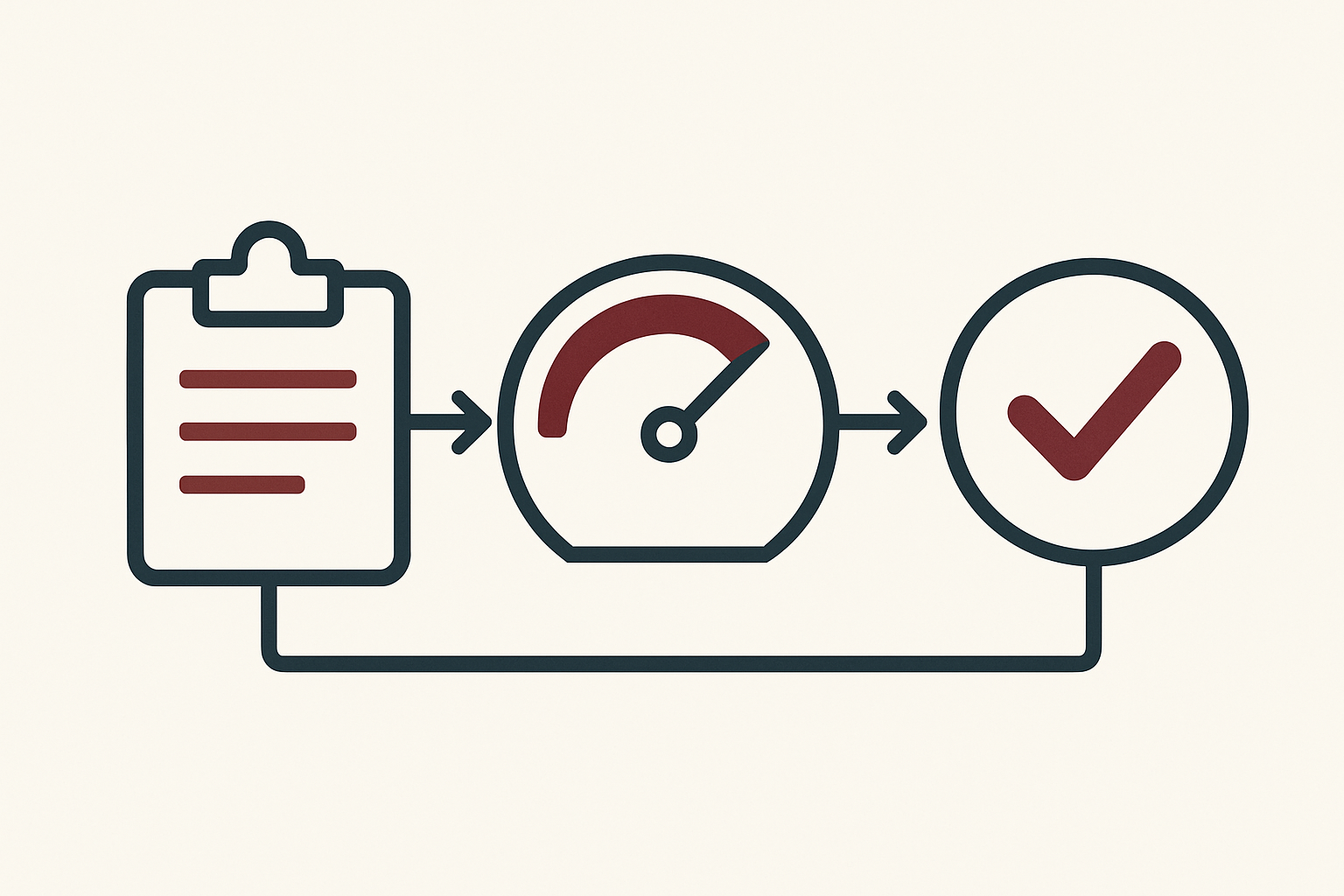
Therapy sessions follow structured formats that maximize therapeutic benefit. Sessions typically begin with check-ins about recent experiences, challenges, and progress since the last meeting. Therapists assess current mental state and immediate concerns.
The middle portion focuses on specific treatment goals through various therapeutic techniques. Sessions conclude with homework assignments, action plans, and scheduling follow-up appointments. This structure provides consistency and measurable progress tracking.
Therapeutic Techniques Used
Therapists employ evidence-based techniques tailored to individual needs and treatment goals. Cognitive behavioral therapy helps identify and change negative thought patterns. Motivational interviewing enhances motivation for positive behavioral changes.
Other common techniques include mindfulness training, exposure therapy, and solution-focused therapy. Therapists may combine multiple approaches based on client response and treatment progress. Regular assessment ensures techniques remain effective and appropriate.
Benefits of Regular Therapy Sessions
Mental Health Improvements
Regular therapy sessions significantly improve mental health outcomes for individuals in recovery. Sessions provide safe spaces to process difficult emotions and develop healthy coping mechanisms. Participants report reduced anxiety, depression, and stress levels.
Therapy sessions help identify and address underlying mental health conditions that may contribute to addiction. Dual diagnosis treatment addresses both substance abuse and mental health issues simultaneously for comprehensive care.
Skill Development and Coping Strategies
Therapy sessions teach practical skills for managing triggers and preventing relapse. Participants learn stress management techniques, communication skills, and problem-solving strategies. These tools become essential components of long-term recovery success.
Sessions also focus on rebuilding relationships, establishing healthy routines, and developing new interests. Therapists guide skill development through practice, role-playing, and real-world application exercises.
Preparing for Therapy Sessions
Setting Realistic Expectations
Successful therapy requires realistic expectations about the process and timeline. Progress occurs gradually through consistent participation and homework completion. Initial sessions focus on building therapeutic rapport and establishing treatment goals.
Clients should expect some discomfort as therapy addresses difficult topics and emotional pain. This temporary discomfort typically leads to significant long-term benefits and improved quality of life.
Maximizing Session Benefits
Active participation greatly enhances therapy session effectiveness. Clients should arrive on time, complete assigned homework, and engage honestly in discussions. Open communication about concerns and progress helps therapists adjust treatment approaches.
Keeping journals between sessions helps track progress and identify patterns. Clients should also discuss any medication changes or life stressors that might affect treatment outcomes.
Frequently Asked Questions
How long does each therapy session last?
Most therapy sessions last 45-60 minutes for individual appointments. Group therapy sessions may run 60-90 minutes depending on group size and format. Initial intake sessions sometimes extend to 90 minutes for comprehensive assessment.
How often should I attend therapy sessions?
Weekly sessions work best for most individuals starting treatment. As progress develops, sessions may reduce to bi-weekly or monthly meetings. Crisis situations may require more frequent sessions temporarily.
What should I bring to therapy sessions?
Bring any completed homework assignments, medication lists, and insurance cards. Some clients find journals or notebooks helpful for tracking thoughts between sessions. Comfortable clothing helps create a relaxed environment.
Can I change therapists if sessions aren't working?
Yes, therapeutic fit significantly impacts treatment success. Most treatment centers accommodate therapist changes when necessary. Discuss concerns with your current therapist first, as issues can often be resolved through communication.
Bottom Line
Therapy sessions provide essential support for addiction recovery and mental health treatment through evidence-based approaches and professional guidance. Regular participation in individual, group, or family sessions significantly improves long-term recovery outcomes and overall quality of life.
For comprehensive information about therapy options and treatment programs, AlcoholDrugRehabilitation.net offers detailed resources to help individuals and families make informed decisions about their recovery journey.
References
- National Institute on Drug Abuse. (2023). Principles of Drug Addiction Treatment: A Research-Based Guide. https://www.drugabuse.gov/publications/principles-drug-addiction-treatment-research-based-guide-third-edition
- Substance Abuse and Mental Health Services Administration. (2023). Treatment Improvement Protocol 41: Substance Abuse Treatment for Persons With Co-Occurring Disorders. https://store.samhsa.gov/product/TIP-41-Substance-Abuse-Treatment-for-Persons-With-Co-Occurring-Disorders/SMA13-3992
- American Psychological Association. (2022). Clinical practice guideline for the treatment of posttraumatic stress disorder in adults. Journal of Clinical Psychology, 78(4), 447-465.
- McHugh, R. K., Hearon, B. A., & Otto, M. W. (2021). Cognitive behavioral therapy for substance use disorders. Psychiatric Clinics of North America, 33(3), 511-525.