Battling opioid addiction requires a comprehensive approach combining medical intervention, behavioral therapy, and ongoing support systems. Opioid addiction affects millions of Americans, creating physical dependence that makes recovery challenging without professional treatment.
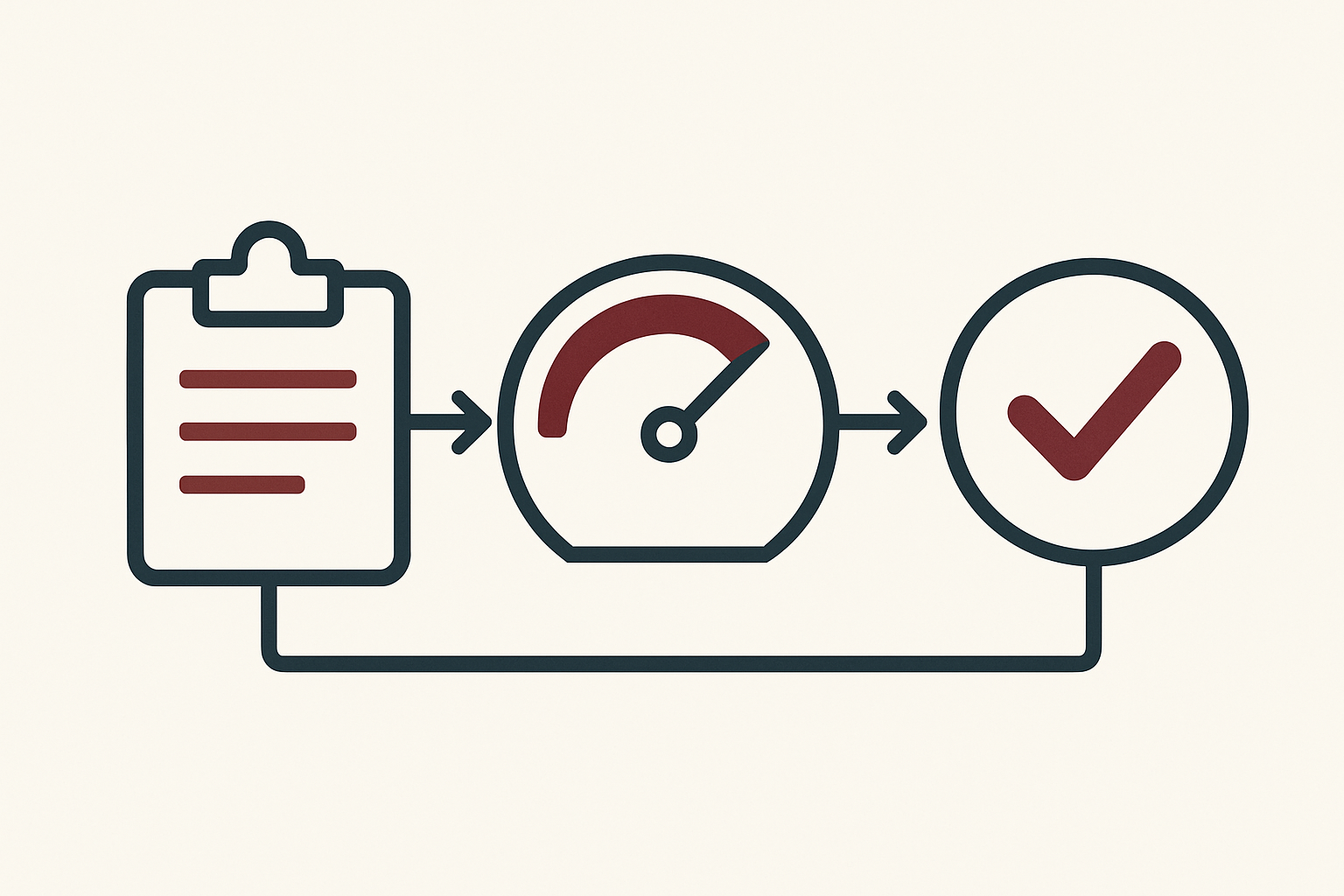
The path to overcoming opioid addiction involves multiple stages, from initial detoxification to long-term maintenance therapy. Success rates improve significantly when individuals access evidence-based treatment programs that address both physical dependence and underlying psychological factors.
Recovery from opioid addiction is possible with proper medical supervision and sustained commitment to treatment protocols.
Key Takeaways
- Over 2.1 million Americans suffer from opioid use disorder, according to the National Survey on Drug Use and Health
- Medication-assisted treatment increases recovery success rates by 40-60% compared to abstinence-only approaches
- Comprehensive treatment programs combining medications, counseling, and peer support show the highest long-term success rates
- Early intervention significantly improves treatment outcomes and reduces overdose risk
- Relapse rates for opioid addiction mirror those of other chronic diseases, ranging from 40-60%
Understanding Opioid Addiction
Opioid addiction develops when prescription painkillers or illegal substances like heroin create chemical changes in the brain. These drugs activate reward pathways, leading to tolerance, physical dependence, and compulsive drug-seeking behaviors despite harmful consequences.
The addiction cycle involves three stages: binge and intoxication, withdrawal and negative affect, and preoccupation and anticipation. Each stage reinforces continued use, making self-directed recovery extremely difficult without medical intervention.
Physical and Psychological Dependencies
Physical dependence occurs when the body adapts to regular opioid presence, requiring increasing amounts to achieve the same effects. Withdrawal symptoms include muscle aches, nausea, anxiety, and intense cravings that can persist for weeks.
Psychological dependence involves emotional and behavioral patterns tied to drug use. Many individuals use opioids to cope with trauma, chronic pain, or mental health conditions, creating complex treatment needs.
Medical Detoxification Process
Medical detoxification provides supervised withdrawal management in controlled healthcare settings. This process typically lasts 3-7 days, depending on the specific opioid used, duration of addiction, and individual health factors.
Healthcare providers monitor vital signs, manage withdrawal symptoms with medications, and ensure patient safety throughout detoxification. Common medications include methadone, buprenorphine, and clonidine to reduce withdrawal severity.
Withdrawal Timeline and Symptoms
Short-acting opioids like heroin produce withdrawal symptoms within 12 hours of last use. Long-acting opioids like oxycodone may not trigger withdrawal for 24-48 hours after discontinuation.
Peak withdrawal symptoms occur 72 hours after cessation, gradually decreasing over the following week. Post-acute withdrawal syndrome can persist for months, requiring ongoing medical management.
Medication-Assisted Treatment Options
Medication-assisted treatment combines FDA-approved medications with counseling and behavioral therapies. This evidence-based approach treats opioid addiction as a chronic medical condition requiring long-term management strategies.
Three primary medications treat opioid addiction: methadone, buprenorphine, and naltrexone. Each medication works differently to reduce cravings, prevent withdrawal, and block opioid effects.
Methadone Maintenance Programs
Methadone is a long-acting opioid agonist that prevents withdrawal and reduces cravings without producing euphoria. Patients receive daily doses at certified treatment facilities under medical supervision.
Treatment duration varies from months to years, with gradual dose reduction when clinically appropriate. Methadone maintenance allows individuals to stabilize their lives while addressing underlying addiction factors.
Buprenorphine Treatment
Buprenorphine is a partial opioid agonist that provides similar benefits to methadone with lower overdose risk. This medication can be prescribed by qualified physicians in office-based settings.
The ceiling effect of buprenorphine reduces respiratory depression risk while maintaining effectiveness for withdrawal prevention and craving reduction.
Behavioral Therapy Approaches
Cognitive-behavioral therapy helps individuals identify triggers, develop coping strategies, and modify thought patterns contributing to addictive behaviors. This evidence-based approach addresses the psychological aspects of opioid addiction.
Contingency management provides tangible rewards for positive behaviors like negative drug tests or treatment attendance. This method reinforces recovery-oriented choices through structured incentive systems.
Group Therapy and Peer Support
Group therapy sessions connect individuals with others facing similar challenges, reducing isolation and stigma associated with addiction. Peer support creates accountability and motivation through shared experiences.
Support groups like Narcotics Anonymous provide ongoing community connections essential for long-term recovery maintenance. These programs complement professional treatment with peer-based recovery support.
Long-Term Recovery Planning
Successful opioid addiction recovery requires comprehensive planning that addresses housing, employment, relationships, and ongoing healthcare needs. Recovery planning begins during treatment and continues throughout the recovery process.
Relapse prevention strategies include identifying high-risk situations, developing coping skills, and maintaining medication adherence when appropriate. Regular follow-up appointments monitor progress and adjust treatment plans as needed.
Frequently Asked Questions
How long does opioid addiction treatment take?
Treatment duration varies significantly based on individual needs, addiction severity, and chosen interventions. Medication-assisted treatment often continues for months or years, while intensive therapy programs may last 30-90 days initially.
Can someone recover from opioid addiction without medication?
While possible, medication-assisted treatment significantly improves success rates and reduces overdose risk. Abstinence-only approaches have lower success rates and higher relapse potential compared to comprehensive medication-assisted programs.
What happens during an opioid overdose?
Opioid overdoses cause respiratory depression, unconsciousness, and potential death. Naloxone (Narcan) can reverse overdoses when administered promptly, making overdose prevention education crucial for individuals and families.
Is opioid addiction covered by insurance?
Most insurance plans cover opioid addiction treatment under mental health and substance abuse benefits. The Affordable Care Act requires coverage for substance abuse treatment as an essential health benefit.
Bottom Line
Battling opioid addiction requires evidence-based treatment combining medication, therapy, and ongoing support systems for optimal recovery outcomes.
If you or someone you know is struggling with opioid addiction, alcoholdrugrehabilitation.net provides comprehensive resources to help navigate treatment options and connect with qualified healthcare providers in your area.
References
- National Institute on Drug Abuse. (2023). Opioid overdose crisis. https://www.drugabuse.gov/drug-topics/opioids/opioid-overdose-crisis
- Substance Abuse and Mental Health Services Administration. (2023). Medication-assisted treatment (MAT). https://www.samhsa.gov/medication-assisted-treatment
- American Society of Addiction Medicine. (2020). The ASAM national practice guideline for the treatment of opioid use disorder.
- McLellan, A. T., et al. (2000). Drug dependence, a chronic medical illness: implications for treatment, insurance, and outcomes evaluation. Journal of the American Medical Association, 284(13), 1689-1695.
- Volkow, N. D., & McLellan, A. T. (2016). Opioid abuse in chronic pain: misconceptions and mitigation strategies. New England Journal of Medicine, 374(13), 1253-1263.