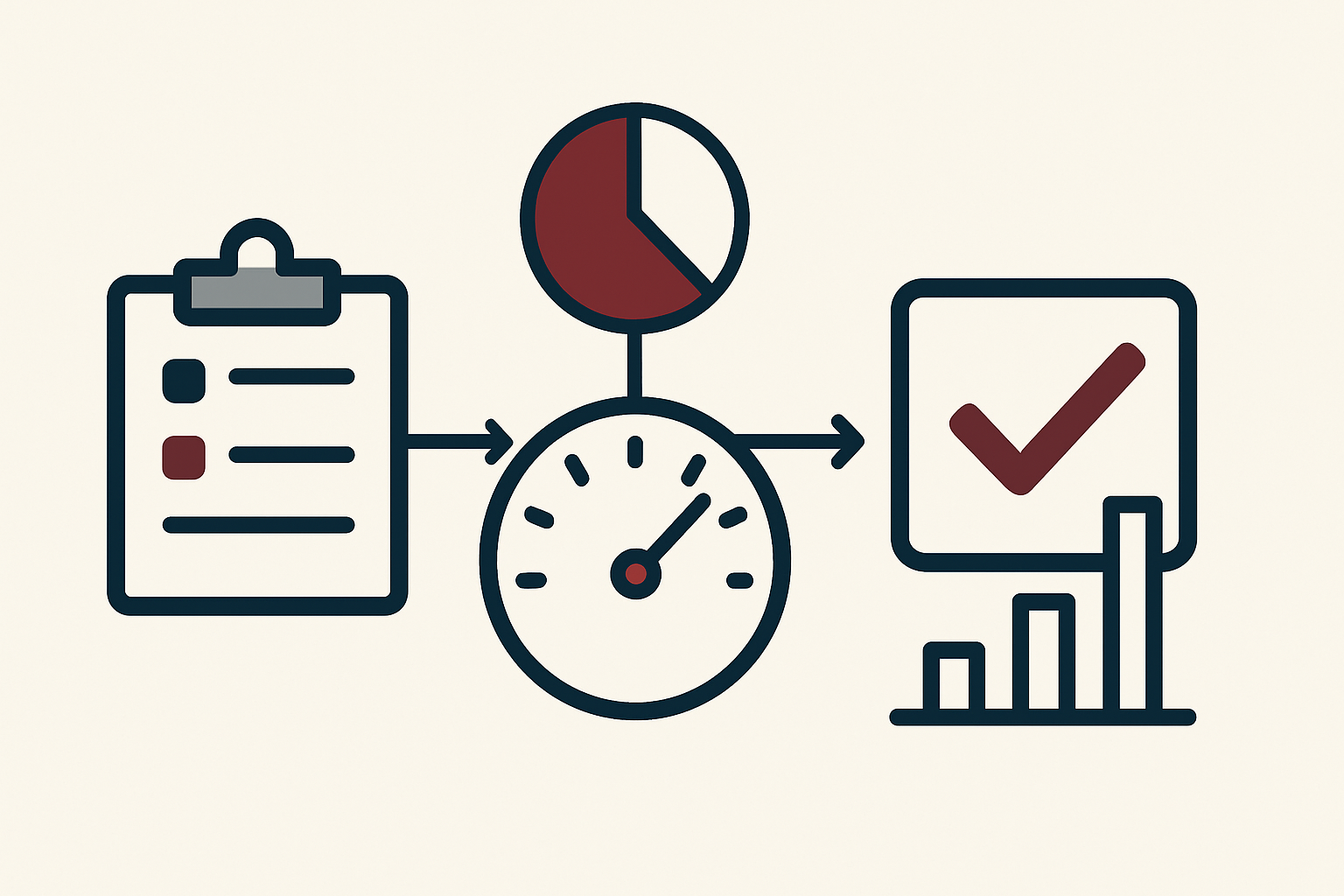
Partial care clinics provide intensive, structured treatment for addiction and mental health conditions without requiring an overnight stay. They sit between inpatient rehab and standard outpatient therapy, offering a higher level of support for people who need more than weekly sessions.
These programs are designed for individuals stepping down from inpatient care or those whose conditions are serious but stable enough to live at home. Understanding how partial care works can help you or a loved one choose the right level of treatment.
Key Takeaways
- Partial care clinics typically run 4 to 6 hours per day, several days per week, giving clients structured support while living at home.
- According to SAMHSA, partial hospitalization programs (PHPs) are one of the most utilized intensive outpatient levels of care in the U.S.
- These programs combine group therapy, individual counseling, and medication management under one coordinated plan.
- Partial care is suitable for people transitioning out of inpatient rehab or those at risk of needing hospitalization without intensive support.
- Most major insurance plans, including Medicaid and Medicare, cover partial care programs when medically necessary.
What Is a Partial Care Clinic?
A partial care clinic, also called a partial hospitalization program (PHP), delivers structured clinical services during daytime hours. Clients attend treatment for several hours each day, then return home in the evenings. This format provides intensive care while preserving daily routines and family connections.
These clinics typically operate Monday through Friday and offer a full schedule of therapeutic services. The structure helps individuals build recovery skills in a real-world environment, which can improve long-term outcomes compared to full inpatient isolation.
How Partial Care Differs From Other Treatment Levels
Inpatient rehab keeps clients on-site around the clock, providing constant supervision and a controlled environment. Partial care offers similar therapeutic intensity but allows clients to return home each evening. Standard outpatient therapy, by contrast, usually involves just one or two sessions per week.
Intensive outpatient programs (IOPs) are another option, typically requiring 9 or more hours of weekly treatment. Partial care clinics generally require more hours than IOPs, making them appropriate for clients who need closer clinical oversight without full hospitalization.
What Happens Inside a Partial Care Program
A typical day at a partial care clinic includes group therapy, individual counseling sessions, and psychoeducation classes. Many programs also offer medication-assisted treatment (MAT), psychiatric evaluations, and family therapy as part of a comprehensive plan.
Group sessions often focus on coping skills, relapse prevention, and emotional regulation. Individual sessions allow clinicians to address personal trauma, co-occurring disorders, or specific triggers that contribute to substance use or mental health crises.
Common Therapies Used in Partial Care
- Cognitive Behavioral Therapy (CBT): Helps clients identify and change destructive thought patterns linked to substance use.
- Dialectical Behavior Therapy (DBT): Builds emotional regulation and distress tolerance skills, especially useful for dual diagnosis cases.
- Motivational Interviewing (MI): Strengthens personal commitment to recovery and reduces ambivalence about change.
- Trauma-Informed Care: Addresses underlying trauma that often drives addiction or mental health symptoms.
- Family Therapy: Repairs communication and rebuilds trust between clients and their support systems.
Who Benefits Most From Partial Care Clinics
Partial care is best suited for individuals who have completed inpatient detox or residential rehab and need continued support. It also serves those whose addiction or mental health symptoms are severe enough to warrant daily clinical contact but not full hospitalization.
People who have a stable home environment, a reliable support network, and transportation access are strong candidates for PHP-level care. Those without these resources may need residential treatment first before transitioning to partial care.
Signs That Partial Care May Be the Right Fit
- You have recently completed inpatient detox and need continued structured support.
- Your symptoms are managed but still require daily clinical monitoring.
- You want to maintain family or work responsibilities while receiving intensive treatment.
- Previous outpatient-only treatment has not provided enough structure to sustain recovery.
- Your treatment team recommends stepping down from a higher level of care gradually.
Insurance Coverage and Cost of Partial Care
Most private insurance plans, Medicaid, and Medicare cover partial care programs when they are deemed medically necessary. The Mental Health Parity and Addiction Equity Act requires insurers to cover substance use disorder treatment comparably to medical or surgical care.
Out-of-pocket costs vary depending on your plan, deductible, and the specific clinic. Contacting your insurance provider before enrolling helps clarify coverage levels, copays, and any pre-authorization requirements that may apply to your situation.
How to Find a Partial Care Clinic Near You
SAMHSA's National Helpline (1-800-662-4357) connects callers to local treatment referrals free of charge, 24 hours a day. Your primary care physician or a licensed counselor can also provide referrals to accredited PHP programs in your area.
When evaluating a clinic, ask about staff credentials, accreditation status, program length, and how they handle dual diagnosis conditions. A reputable partial care clinic will conduct a thorough clinical assessment before recommending this level of care.
Frequently Asked Questions
How long does a partial care program last?
Most partial care programs last between 2 and 6 weeks, depending on clinical progress and individual needs. Some clients may transition to an intensive outpatient program afterward. Duration is determined by ongoing assessment from the treatment team, not a fixed schedule set at admission.
Can I work while attending a partial care clinic?
It depends on your work schedule and the clinic's hours. Many partial care programs run during standard business hours, which can conflict with full-time employment. Some clinics offer afternoon or evening schedules. Discussing your availability during the intake process helps identify a program that fits your situation.
Do partial care clinics treat co-occurring disorders?
Yes, most partial care clinics are equipped to treat co-occurring mental health and substance use disorders simultaneously. This is called dual diagnosis treatment. Addressing both conditions together significantly improves recovery outcomes compared to treating each condition in isolation without coordinated clinical oversight.
Is transportation provided to partial care programs?
Some programs offer transportation assistance or can connect clients with local resources. Medicaid may also cover transportation to medically necessary treatment in certain states. It is worth asking the clinic directly during the intake process, as transportation barriers should not prevent someone from accessing appropriate care.
Bottom Line
Partial care clinics offer a structured, clinically intensive path to recovery that fits between inpatient and standard outpatient care, making them a practical option for many people in addiction recovery. For more information on treatment levels and how to find the right program, alcoholdrugrehabilitation.net provides clear, reliable resources to guide your next step.
References
- Substance Abuse and Mental Health Services Administration. (2023). National Survey on Drug Use and Health. https://www.samhsa.gov/data/nsduh
- Substance Abuse and Mental Health Services Administration. (2022). Criteria for levels of care in substance use disorder treatment. https://www.samhsa.gov
- Centers for Medicare and Medicaid Services. (2023). Mental Health Parity and Addiction Equity Act. https://www.cms.gov/CCIIO/Programs-and-Initiatives/Other-Insurance-Protections/mhpaea_factsheet
- American Society of Addiction Medicine. (2020). ASAM criteria: Treatment criteria for addictive, substance-related, and co-occurring conditions. Wolters Kluwer.