Careful medication management is a structured approach to monitoring, adjusting, and safely administering medications during addiction treatment and recovery. It reduces the risk of misuse, dangerous interactions, and relapse triggered by prescription drugs.
For people recovering from substance use disorders, this process is especially critical. Many common medications carry abuse potential, and even well-intentioned prescriptions can derail hard-won progress without proper oversight.
Key Takeaways
- Careful medication management involves ongoing assessment, dosage monitoring, and coordination between healthcare providers.
- According to the CDC, over 107,000 drug overdose deaths occurred in the U.S. in 2023, many involving prescription medications combined with other substances.
- People in recovery face higher risks from certain prescribed drugs, including benzodiazepines and opioid pain relievers.
- Medication-assisted treatment (MAT) programs like methadone and buprenorphine are most effective when paired with structured monitoring.
- Family involvement in medication oversight significantly improves adherence and safety outcomes.
Why Medication Management Matters in Recovery
Addiction rewires the brain's reward pathways, making individuals more vulnerable to dependency on new substances. Even medications prescribed for legitimate conditions can become problematic without careful oversight. This vulnerability does not disappear after detox or residential treatment ends.
Healthcare providers working in addiction recovery must balance treating real medical needs while minimizing exposure to habit-forming drugs. That balance requires communication, documentation, and ongoing evaluation throughout the entire treatment process.
The Risk of Prescription Misuse During Treatment
Some of the most commonly misused prescription drugs include opioids, benzodiazepines, and stimulants. These are also frequently prescribed for pain, anxiety, and attention disorders. A person in recovery may have a genuine need for these medications but still face serious risks from taking them.
Responsible prescribing means choosing the lowest effective dose, setting clear time limits, and exploring non-addictive alternatives first. Regular check-ins help providers catch warning signs early before misuse escalates.
Core Components of Careful Medication Management
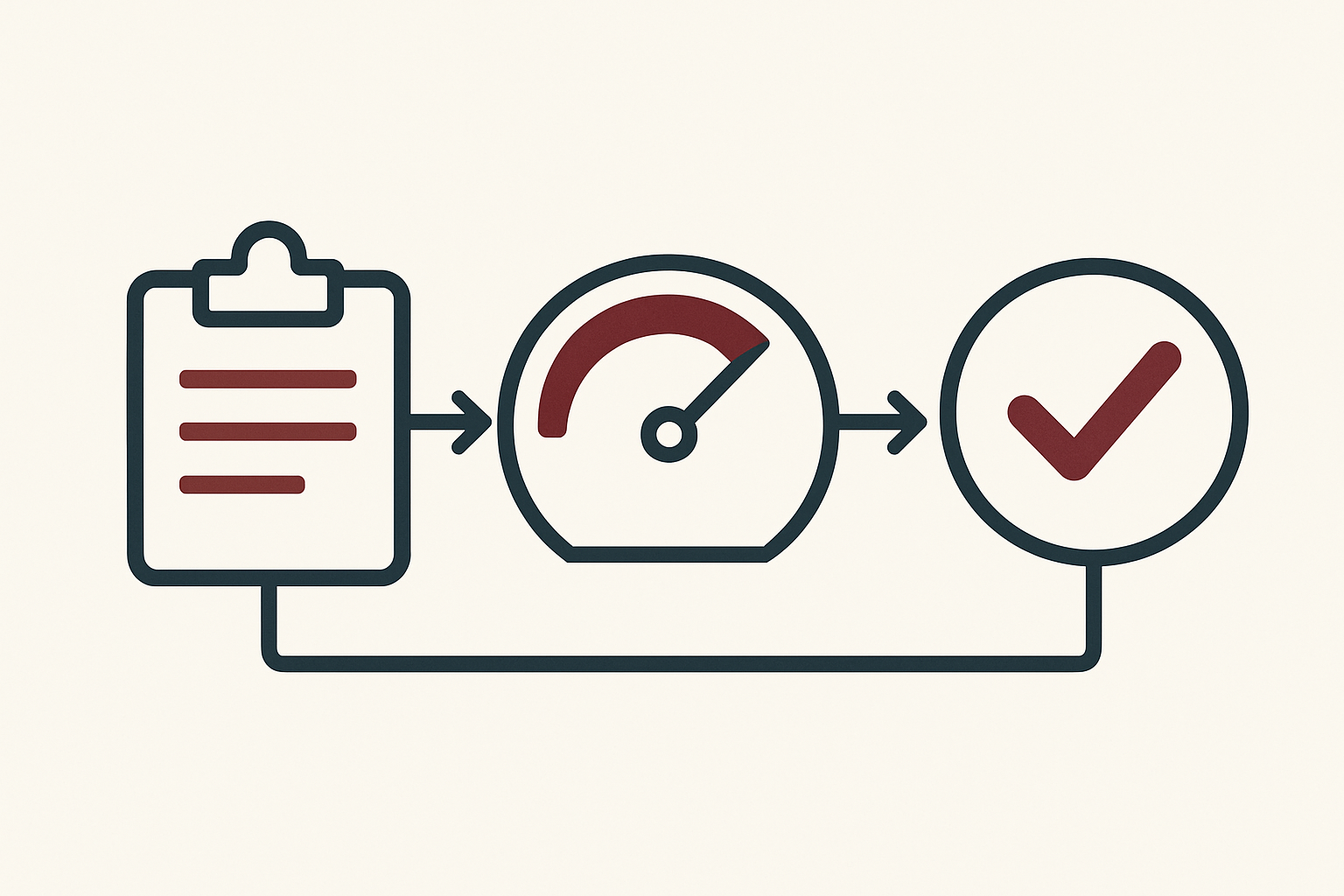
Effective medication management is not just about tracking pills. It involves a coordinated system of evaluation, communication, and patient education that supports the full recovery journey.
Comprehensive Medication Reviews
A thorough medication review examines every drug a patient currently takes, including over-the-counter medications and supplements. Providers look for dangerous combinations, duplicated effects, and unnecessary prescriptions. These reviews should happen at every significant transition in care.
For example, a patient moving from inpatient rehab to outpatient treatment needs a full medication reconciliation. Gaps or duplications during these transitions are a leading cause of preventable harm in recovery settings.
Prescription Drug Monitoring Programs
Prescription drug monitoring programs (PDMPs) are state-run databases that track controlled substance prescriptions. Providers use these tools to identify patients receiving multiple prescriptions from different doctors, a practice known as doctor shopping.
As of 2023, all 50 U.S. states operate active PDMPs, according to the National Alliance for Model State Drug Laws. These programs play a significant role in reducing opioid overprescribing and catching early patterns of misuse.
Medication-Assisted Treatment and Structured Oversight
Medication-assisted treatment uses FDA-approved drugs like buprenorphine, naltrexone, and methadone to reduce cravings and withdrawal symptoms. These medications are evidence-based and highly effective when properly managed. However, they also require careful dosing and regular provider contact.
Structured MAT programs include drug testing, counseling, and frequent check-ins. This framework keeps patients accountable and allows providers to adjust treatment as recovery progresses.
Practical Strategies for Patients and Families
Managing medications safely is a shared responsibility. Patients, families, and care teams each play a role in maintaining safety and consistency throughout recovery.
Safe Storage and Disposal of Medications
Unsecured medications in the home are a significant risk factor for misuse and accidental exposure. Patients should store all medications in a locked container, away from children and other household members. Unused drugs should be returned to a DEA-authorized collection site rather than flushed or thrown away.
The DEA's National Prescription Drug Take Back program offers free, anonymous disposal events throughout the year. Using these resources removes temptation and reduces environmental harm from improper disposal.
Keeping an Accurate Medication List
Every person in recovery should maintain an up-to-date list of all current medications, dosages, and prescribing providers. This list should be shared at every healthcare appointment, including emergency visits. Incomplete information during emergencies can lead to dangerous prescribing decisions.
A simple written or digital record prevents miscommunication between providers who may not share an electronic health system. It also empowers patients to take an active role in their own care.
Communicating Openly with Providers
Patients must be honest with every healthcare provider about their recovery history. This includes disclosing past substance use, current MAT medications, and any previous issues with prescription misuse. Withholding this information prevents providers from making the safest treatment decisions.
Healthcare professionals are legally and ethically required to protect patient confidentiality. Honest communication leads to better, safer outcomes and does not jeopardize a person's treatment or legal standing.
Frequently Asked Questions
Can someone in recovery take prescription pain medication safely?
Yes, but only with careful oversight. Providers should explore non-opioid alternatives first. If opioids are necessary, they should be prescribed at the lowest effective dose for the shortest time possible. Close monitoring, frequent follow-ups, and family support all reduce the risk of misuse during recovery.
What should I do if I think a loved one is misusing their prescribed medication?
Speak with their prescribing provider as soon as possible. You can also contact their addiction treatment counselor or case manager. Do not remove medications without medical guidance. Abrupt discontinuation of some drugs can cause dangerous withdrawal. Professional intervention is always the safest approach.
Are there non-addictive alternatives to benzodiazepines for anxiety in recovery?
Yes. Several non-habit-forming options exist, including SSRIs, SNRIs, buspirone, and hydroxyzine. Cognitive-behavioral therapy is also highly effective for anxiety without any medication risk. A psychiatrist experienced in addiction medicine can help identify the safest treatment plan for anxiety during recovery.
How often should medication reviews happen during addiction treatment?
Medication reviews should occur at every major care transition, such as moving from inpatient to outpatient treatment. Routine reviews every 30 to 90 days are common in structured recovery programs. Any new symptom, life change, or change in sobriety status should also prompt an immediate review.
Bottom Line
Careful medication management is essential for protecting recovery, preventing relapse, and reducing the risk of prescription misuse during and after addiction treatment.
For more guidance on treatment options and recovery planning, alcoholdrugrehabilitation.net offers clear, practical resources for individuals, families, and healthcare professionals navigating the path to sobriety.
References
- Centers for Disease Control and Prevention. (2024). Drug overdose deaths in the United States. https://www.cdc.gov/drugoverdose/deaths/index.html
- Drug Enforcement Administration. (2023). National prescription drug take back initiative. https://www.dea.gov/takebackday
- Substance Abuse and Mental Health Services Administration. (2023). Medications for opioid use disorder. https://www.samhsa.gov/medications-substance-use-disorders
- National Alliance for Model State Drug Laws. (2023). Prescription monitoring program status across the states. NAMSDL.
- American Society of Addiction Medicine. (2022). Clinical practice guideline on the management of opioid use disorder. ASAM.