Alcohol abuse counseling provides structured therapeutic support to help individuals overcome drinking problems and maintain long-term sobriety. Professional counselors use evidence-based approaches to address the psychological, social, and behavioral aspects of alcohol addiction.
Counseling sessions typically involve cognitive-behavioral therapy, motivational interviewing, and group therapy to help clients develop coping strategies. These interventions address underlying issues that contribute to alcohol abuse while building recovery skills.
Research shows that individuals who participate in alcohol counseling have significantly higher success rates in achieving sobriety. The personalized nature of counseling allows for tailored treatment plans that meet each person's unique needs and circumstances.
Key Takeaways
- Alcohol abuse counseling combines individual and group therapy to address addiction's psychological and social components
- Studies indicate that 40-60% of people in alcohol counseling programs maintain sobriety for at least one year
- Cognitive-behavioral therapy and motivational interviewing are the most effective counseling approaches for alcohol abuse treatment
- Professional counselors help identify triggers, develop coping mechanisms, and create personalized relapse prevention strategies
- Counseling programs often integrate family therapy to rebuild relationships damaged by alcohol abuse
Types of Alcohol Abuse Counseling
Individual Counseling
Individual alcohol abuse counseling provides one-on-one sessions between a client and a licensed therapist or addiction counselor. These private sessions allow for personalized treatment plans that address specific triggers, trauma, and underlying mental health conditions.
Therapists use various techniques including cognitive-behavioral therapy to help clients identify negative thought patterns. Individual sessions typically occur weekly and focus on developing healthy coping mechanisms to replace alcohol use.
Group Therapy Sessions
Group counseling brings together individuals facing similar alcohol abuse challenges in a supportive environment. Participants share experiences, offer mutual support, and learn from others' recovery journeys under professional guidance.
Group sessions typically include 6-12 participants and meet weekly for 60-90 minutes. This format helps reduce isolation while building accountability and social connections essential for sustained recovery.
Family Counseling
Family therapy addresses how alcohol abuse affects relationships and helps rebuild trust between family members. Counselors work with the entire family system to improve communication patterns and establish healthy boundaries.
These sessions help family members understand addiction as a disease while learning how to provide appropriate support. Family counseling also addresses codependency issues and teaches relatives how to avoid enabling behaviors.
Evidence-Based Counseling Approaches
Cognitive-Behavioral Therapy
Cognitive-behavioral therapy helps individuals identify and change negative thought patterns that lead to drinking behaviors. This approach teaches practical skills for managing cravings and handling high-risk situations without alcohol.
CBT sessions focus on developing problem-solving abilities and stress management techniques. Research demonstrates that CBT significantly reduces relapse rates compared to traditional counseling methods alone.
Motivational Interviewing
Motivational interviewing explores a person's ambivalence about changing their drinking habits while building internal motivation for recovery. Counselors use reflective listening and open-ended questions to help clients discover their own reasons for seeking sobriety.
This client-centered approach avoids confrontational techniques that often create resistance. Studies show motivational interviewing increases treatment engagement and improves long-term outcomes for alcohol abuse recovery.
Dialectical Behavior Therapy
Dialectical behavior therapy teaches emotional regulation skills to individuals who struggle with intense feelings that trigger alcohol use. DBT combines mindfulness techniques with distress tolerance and interpersonal effectiveness training.
This approach is particularly effective for people with co-occurring mental health disorders such as depression or anxiety. DBT skills help clients manage emotions without resorting to alcohol as a coping mechanism.
Finding the Right Counselor
Professional Qualifications
Effective alcohol abuse counselors hold relevant licenses and certifications in addiction treatment or mental health counseling. Look for professionals with credentials from organizations like the National Association of Alcoholism and Drug Abuse Counselors.
Many counselors specialize in substance abuse treatment and have additional training in specific therapeutic approaches. Verify credentials through state licensing boards to ensure you're working with qualified professionals.
Treatment Philosophy
Different counselors may emphasize various treatment philosophies, from abstinence-based approaches to harm reduction strategies. Consider whether you prefer traditional 12-step integration or secular, science-based treatment methods.
Some counselors focus primarily on behavioral changes while others address underlying trauma or mental health conditions. Choose a professional whose approach aligns with your personal recovery goals and values.
What to Expect in Counseling
Initial Assessment
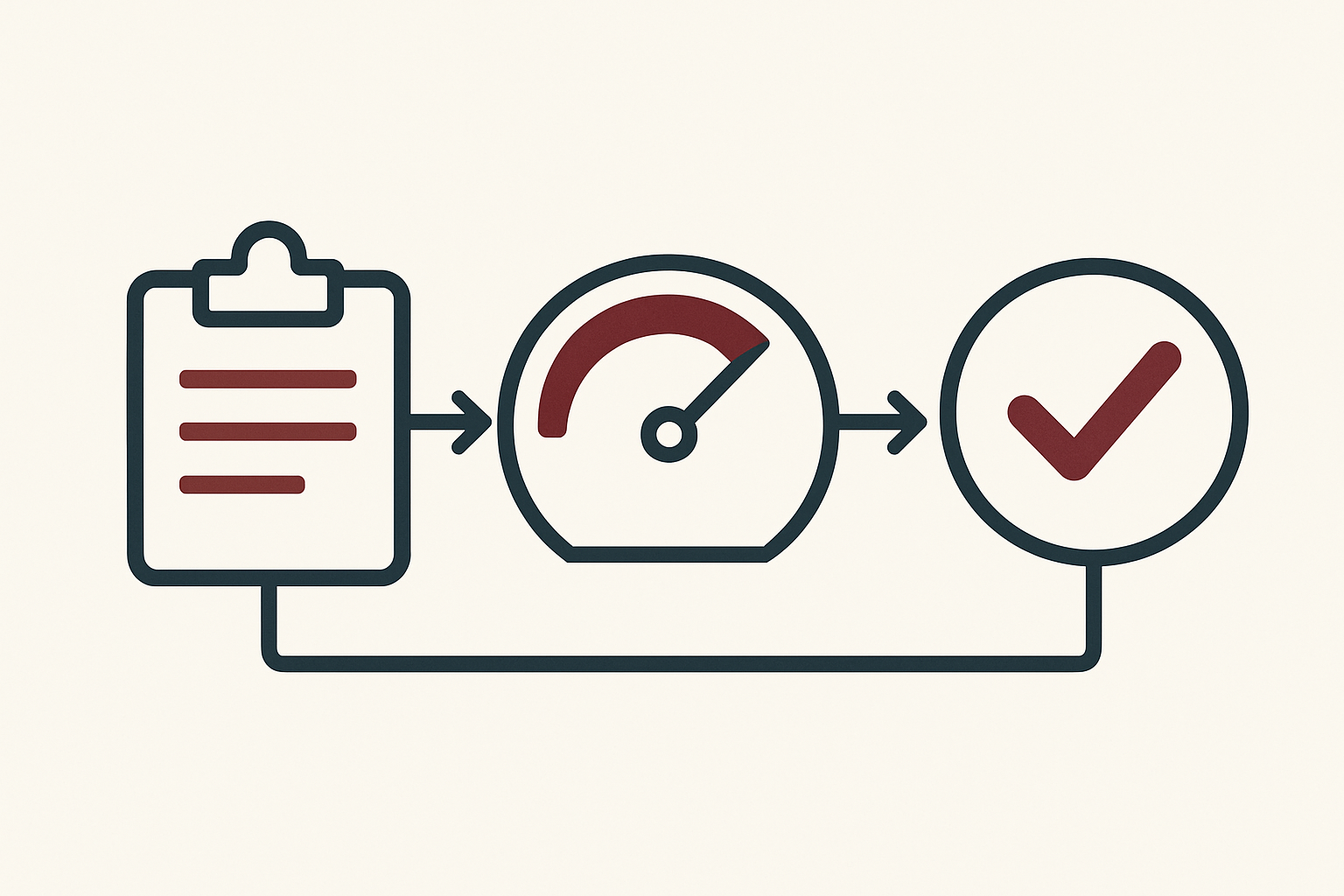
The first counseling session typically involves a comprehensive assessment of your drinking history, mental health status, and personal circumstances. Counselors evaluate the severity of alcohol abuse and identify any co-occurring disorders.
This assessment helps determine the most appropriate treatment intensity and therapeutic approaches for your situation. Be prepared to discuss your drinking patterns, previous treatment attempts, and recovery goals honestly.
Treatment Planning
Based on the initial assessment, your counselor will develop a personalized treatment plan with specific, measurable goals. This plan outlines the frequency of sessions, therapeutic techniques, and progress milestones.
Treatment plans are regularly reviewed and adjusted based on your progress and changing needs. Collaborative goal-setting ensures that counseling remains relevant and effective throughout your recovery journey.
Benefits of Professional Counseling
Skill Development
Alcohol abuse counseling teaches practical skills for maintaining sobriety in challenging situations. Clients learn stress management techniques, communication skills, and healthy ways to cope with difficult emotions.
These skills extend beyond alcohol-related issues and improve overall quality of life. Professional guidance ensures that coping strategies are evidence-based and tailored to individual circumstances.
Relapse Prevention
Counselors help clients identify personal triggers and develop specific strategies for avoiding or managing high-risk situations. This proactive approach significantly reduces the likelihood of returning to problematic drinking patterns.
Relapse prevention planning includes creating support networks, establishing healthy routines, and developing emergency response strategies. Regular counseling sessions provide ongoing support and plan adjustments as needed.
Frequently Asked Questions
How long does alcohol abuse counseling typically last?
Counseling duration varies based on individual needs, but most people participate for 3-6 months initially. Some individuals benefit from ongoing sessions or periodic check-ins to maintain sobriety and address emerging challenges.
Is alcohol counseling covered by insurance?
Most insurance plans cover alcohol abuse counseling as part of mental health and substance abuse benefits. Check with your insurance provider about coverage limits, copays, and approved treatment providers in your network.
Can I do alcohol counseling while still drinking?
Many counselors work with clients who are still drinking while building motivation for change. However, severe intoxication during sessions limits therapeutic effectiveness, so counselors may recommend detoxification or medical support first.
What's the difference between counseling and therapy for alcohol abuse?
The terms are often used interchangeably, but counseling typically focuses on specific behavioral changes while therapy may address deeper psychological issues. Both approaches are effective for alcohol abuse treatment.
Bottom Line
Alcohol abuse counseling provides essential therapeutic support through evidence-based approaches that address both the psychological and behavioral aspects of addiction. Professional counselors help individuals develop practical skills, prevent relapse, and build sustainable recovery foundations.
For comprehensive information about alcohol treatment options and counseling resources, alcoholdrugrehabilitation.net offers detailed guides to help individuals and families navigate the path to recovery with confidence and clarity.
References
- National Institute on Alcohol Abuse and Alcoholism. (2023). Treatment for alcohol problems: Finding and getting help. https://www.niaaa.nih.gov/publications/brochures-and-fact-sheets/treatment-alcohol-problems-finding-and-getting-help
- Substance Abuse and Mental Health Services Administration. (2023). Behavioral health treatments and services. https://www.samhsa.gov/find-help/treatment
- Miller, W. R., & Rollnick, S. (2023). Motivational interviewing: Helping people change. Guilford Press.
- Beck, A. T., Wright, F. D., Newman, C. F., & Liese, B. S. (2022). Cognitive therapy of substance abuse. Guilford Press.